Study: Daily Sauerkraut Intake May Support Gut Health and Lower Cholesterol
06/07/2026 / By Coco Somers
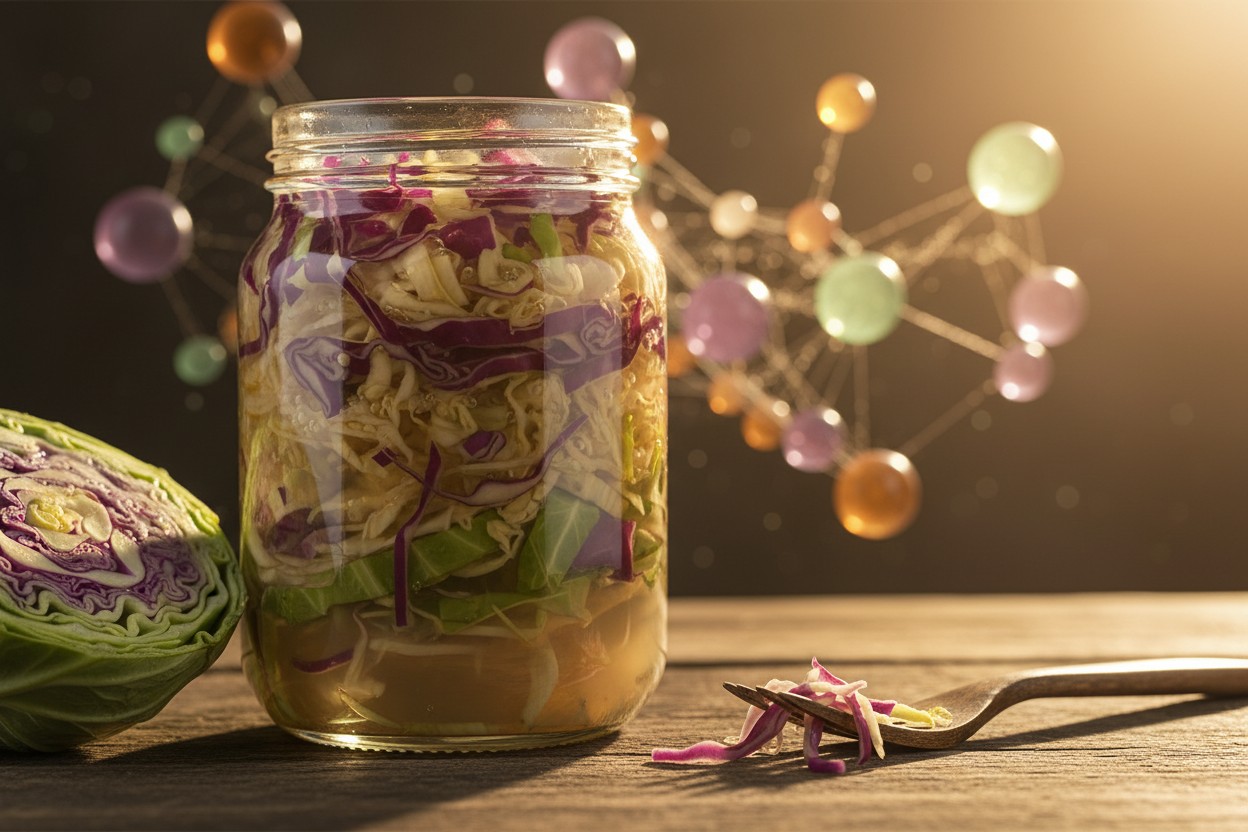
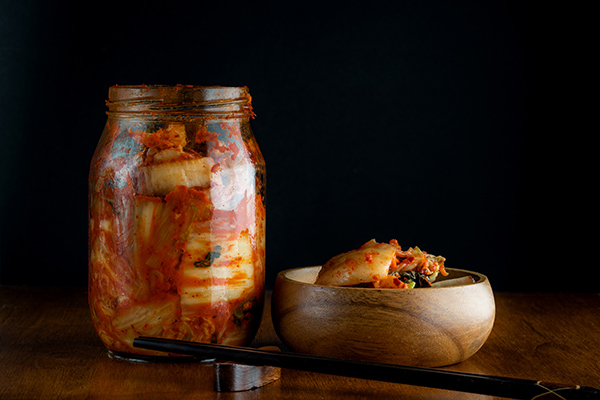
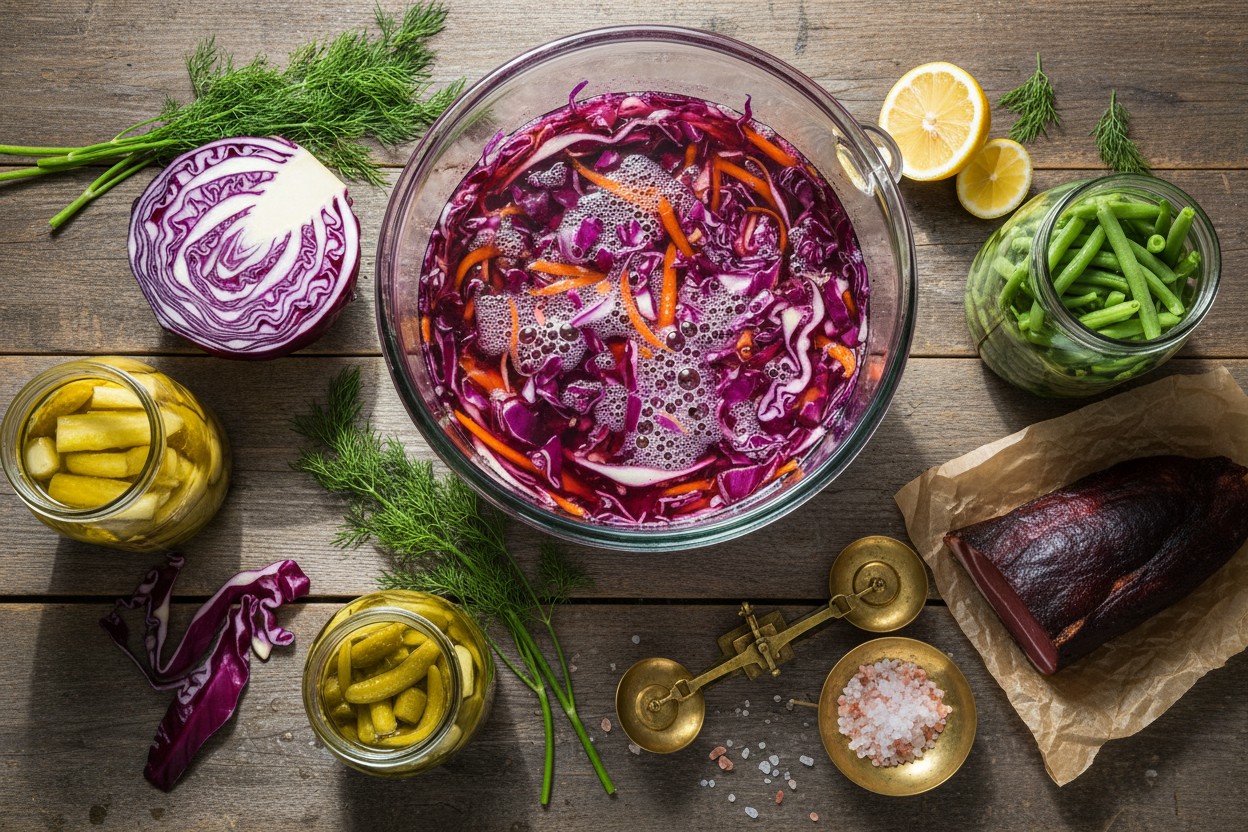
Sauerkraut, a fermented cabbage dish with roots in ancient Chinese and German cuisine, has been consumed for thousands of years, according to Josh Axe, author of “Eat Dirt.” [5] The fermentation process creates beneficial lactic acid bacteria, which are known to support digestive health. [8] Researchers have increasingly focused on fermented foods as a dietary strategy to improve gut microbiome balance, according to a recent report. [9]
Fermented foods like sauerkraut are teeming with probiotics, live microorganisms that influence various biological processes, according to an article on Mercola.com. [1] A 2026 study found that fermented cabbage reduced intestinal barrier damage by 40 percent, outperforming raw cabbage and probiotic supplements. [14] These findings highlight the potential of traditional fermented foods in modern dietary recommendations.
Probiotics and Digestion
The fermentation process produces lactic acid bacteria, which are the principal source of probiotics in nature, according to senior author Danilo Ercolini in a study published in Nature Communications. [3] Unpasteurized sauerkraut retains these beneficial bacteria, while pasteurization kills them, reducing health benefits, experts have noted. The lactic acid bacteria in sauerkraut can positively influence the gut microbiome, according to author Heather Anne Wise, who stated that “Lactobacillus… is the primary probiotic bacteria living on the surface of cabbage.” [8]
Regular consumption of fermented foods has been linked to relief from irritable bowel syndrome symptoms, according to reports. The 2026 study indicated that daily sauerkraut intake may help alleviate digestive discomfort. [14] The fiber content in sauerkraut also supports digestion, as noted by registered dietitian nutritionist Molly Knudsen, who recommends daily consumption of fermented foods for gut microbiome support. [12]
Immune System and Gut Health
A significant portion of the immune system is linked to the gut, and foods that support a healthy gut environment may indirectly support immune function, experts have said. Probiotic-rich foods like sauerkraut help maintain a balanced gut microbiome, which is crucial for immune defense, according to an article on NaturalNews.com. [2] Author Pat Crocker, in “The Yogurt Bible,” notes that maintaining a healthy intestinal flora is essential for protecting the digestive system from disease. [4]
The connection between gut health and immunity is well documented, with research showing that an altered microbiome is associated with various health conditions, according to William W. Li in “Eat to Beat Disease.” [7] By promoting a diverse gut ecosystem, fermented foods like sauerkraut may contribute to a stronger immune response, though overall diet quality and other key nutrients also play a role.
Cholesterol and Cardiovascular Effects
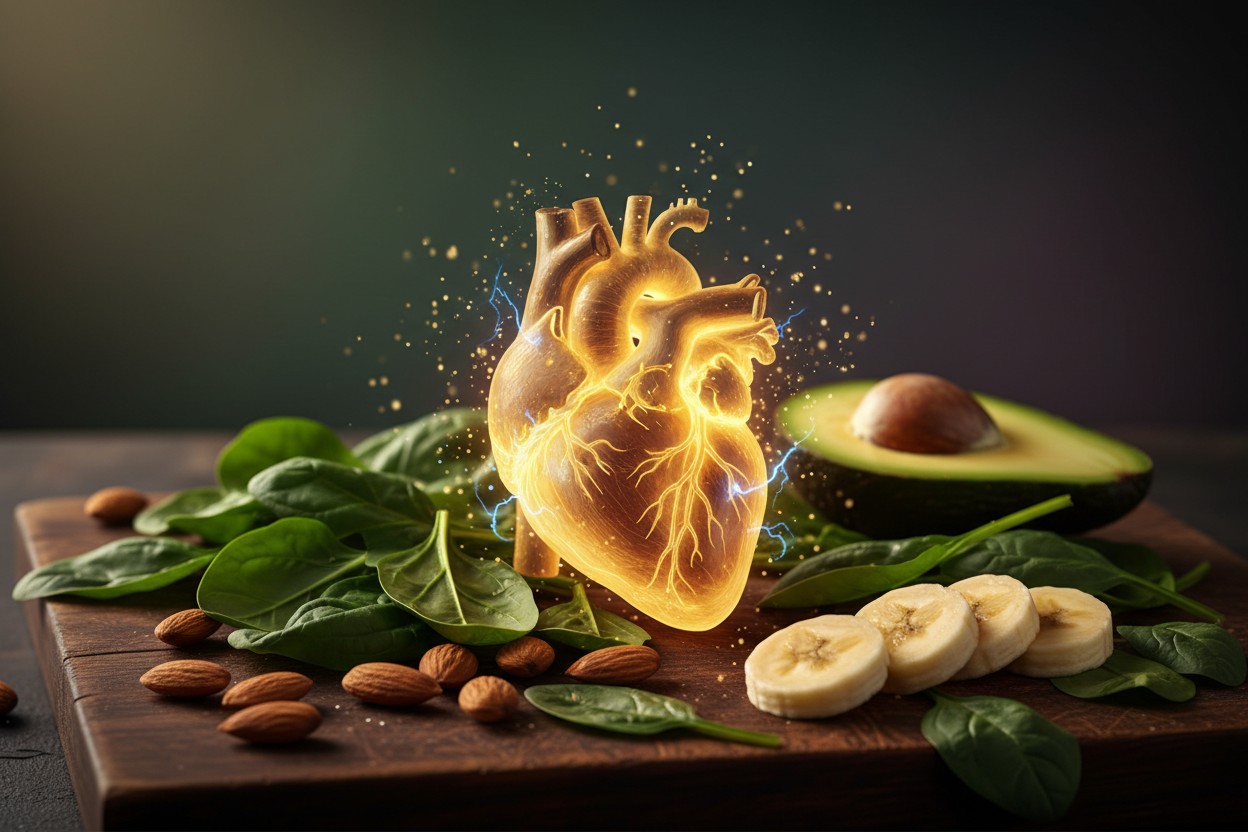
Sauerkraut is rich in dietary fiber, with a two-ounce serving providing 2 grams, according to “Fermentation Made Easy” by Holly Howe. [6] Fiber helps reduce LDL cholesterol, the so-called “bad” cholesterol, according to research cited in a NaturalNews article on the gut-heart connection. [11] When fiber is fermented in the gut, it produces short-chain fatty acids that may inhibit cholesterol production in the liver.
However, sauerkraut is typically high in sodium, with a serving containing approximately 480 milligrams, or 14 percent of the daily value. [6] Health experts advise moderation, as excessive salt intake is linked to increased stroke risk, according to the British Heart Foundation. [13] The NHS recommends consuming no more than 6 grams of salt daily, according to the same report.
Cancer Prevention and Dietary Recommendations
Cabbage is a cruciferous vegetable containing glucosinolates, compounds that may have cancer-fighting properties. Studies have shown that glucosinolate breakdown products can inhibit tumor development in animal models. [15] Fermentation does not destroy these compounds, allowing sauerkraut to retain potential protective effects.
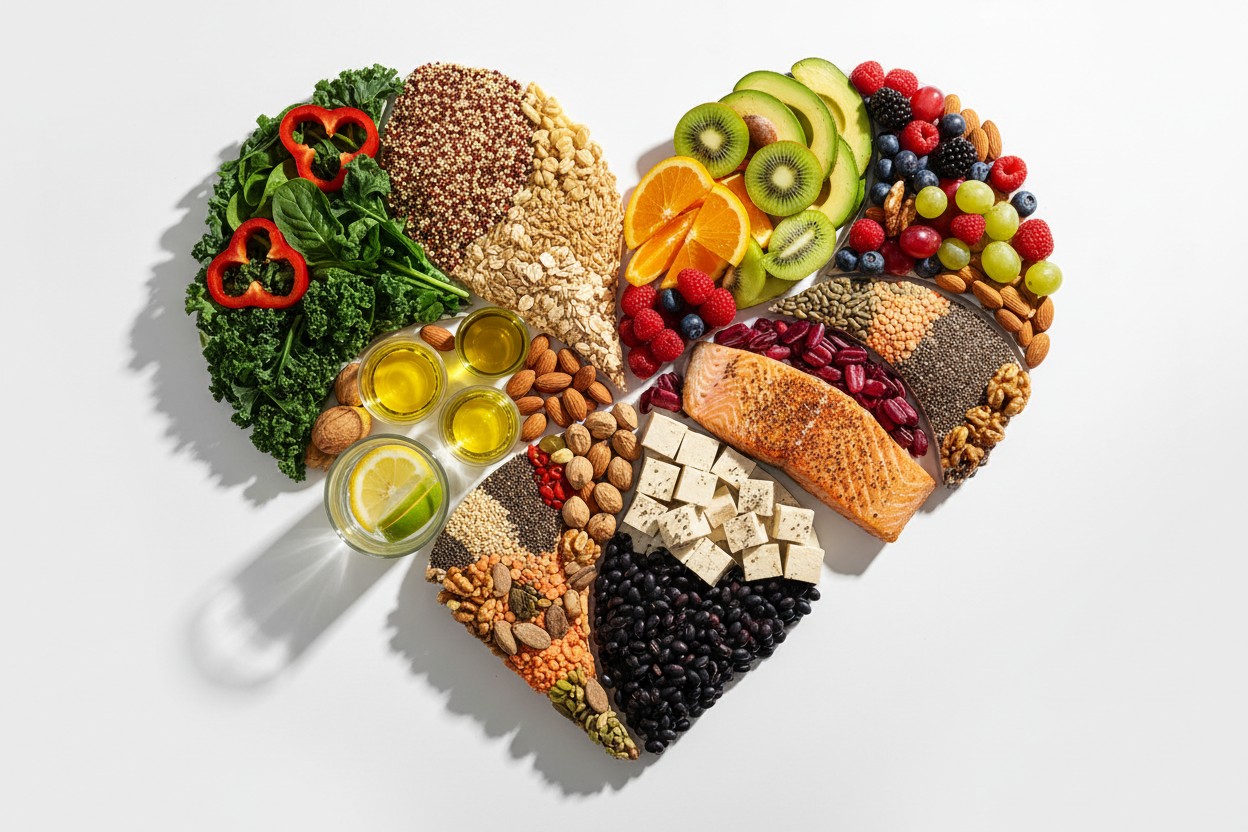
Experts emphasize that sauerkraut should be consumed as part of a balanced diet rich in other vegetables, fruits, whole grains, and legumes, according to reports. [10] Registered dietitian nutritionist Molly Knudsen recommends daily consumption of fermented foods for gut microbiome support. [12] To avoid side effects like bloating or diarrhea, experts suggest starting with a small amount, such as one tablespoon used as a condiment.
Conclusion
The evidence supporting sauerkraut as a beneficial food for gut health and cholesterol management continues to grow. While not a cure-all, its inclusion in a nutrient-dense diet offers a practical, affordable strategy for supporting overall wellness. Further research will continue to explore the mechanisms behind its effects.
References
- Mercola.com. “The Incredible Health Benefits to You of Traditionally Lacto-Fermented Foods.” January 3, 2004.
- NaturalNews.com. “6 Reasons probiotics are good for you — plus best probiotic sources.” May 21, 2021.
- NaturalNews.com. “Eat fermented foods for better gut health advise researchers.” July 29, 2020.
- Crocker Pat. “The Yogurt Bible.”
- Josh Axe. “Eat Dirt.”
- Holly Howe. “Fermentation Made Easy.”
- William W. Li. “Eat to Beat Disease.”
- Heather Anne Wise. “A Gut Feeling.”
- NaturalNews.com. “Fermented foods gain attention for their gut health benefits.” May 26, 2026.
- NaturalNews.com. “Fermented foods: Ancient tradition validated by modern science as key to gut health, immunity and mood.” May 19, 2026.
- NaturalNews.com. “The gut-heart connection: How fermented foods can boost health — and what to watch out for.” April 20, 2026.
- NaturalNews.com. “Two Daily Dietary Habits Recommended for Gut Microbiome Support.” April 28, 2026.
- NaturalNews.com. “Heart charity issues warning: Your ‘gut-friendly’ foods may carry a hidden risk.” April 15, 2026.
- NaturalNews.com. “Fermented cabbage outperforms probiotic pills in gut health study.” March 3, 2026.
- G.R. Fenwick and R.K. Heaney. “Glucosinolates and their Breakdown Products in Cruciferous Crops, Foods and Feedingstuffs.” Food Chemistry, 1983.
Submit a correction >>
Tagged Under:
Censored Science, cholesterol, digestive health, fermented foods, food is medicine, functional food, gut health, heart health, immune system, nutrients, nutrition, probiotics, research, sauerkraut, weight management
This article may contain statements that reflect the opinion of the author
RECENT NEWS & ARTICLES