Clinical Trial Finds Tomato-Soy Juice Reduces Inflammatory Markers in Adults with Obesity
06/14/2026 / By Coco Somers

A four-week clinical trial published in the journal Molecular Nutrition & Food Research has found that daily consumption of a tomato-soy juice significantly reduced three pro-inflammatory cytokines in adults with obesity, according to the study report.
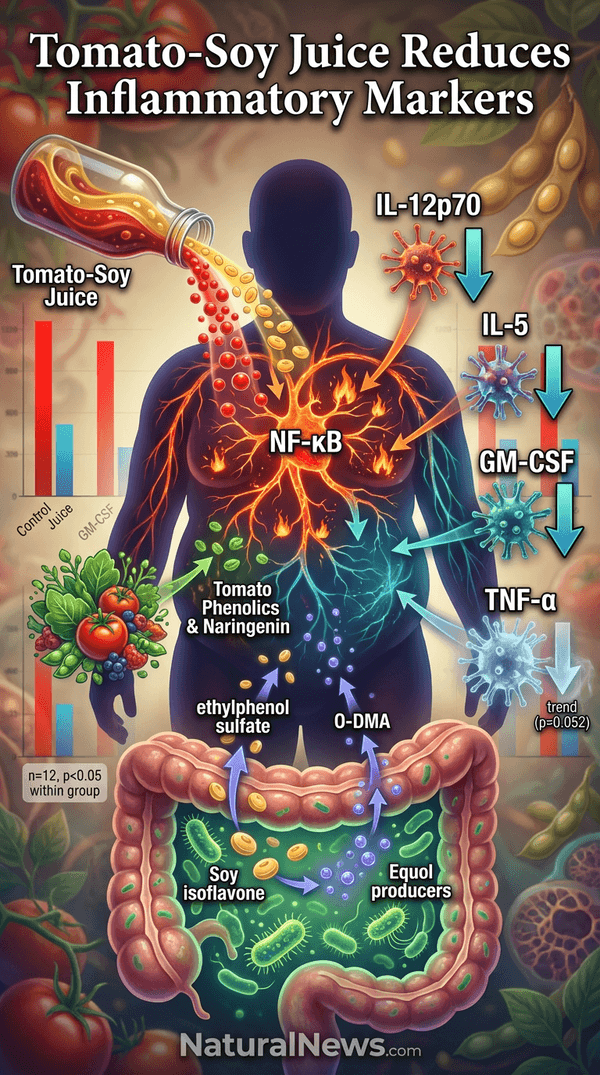
The randomized crossover trial was conducted at the U.S. Department of Agriculture‘s Beltsville Human Nutrition Research Center. Twelve participants aged 30 to 60 with a body mass index between 30 and 45 completed the intervention. The researchers reported that levels of interleukin-12p70, interleukin-5, and granulocyte-macrophage colony-stimulating factor dropped after the tomato-soy juice period, but not after a low-carotenoid control juice period.
Tumor necrosis factor-alpha also trended downward, though the reduction did not reach statistical significance. Chronic inflammation is widely recognized as a driving factor in many chronic diseases, and a growing body of evidence supports dietary approaches to manage it [1].
Study Design and Participant Criteria
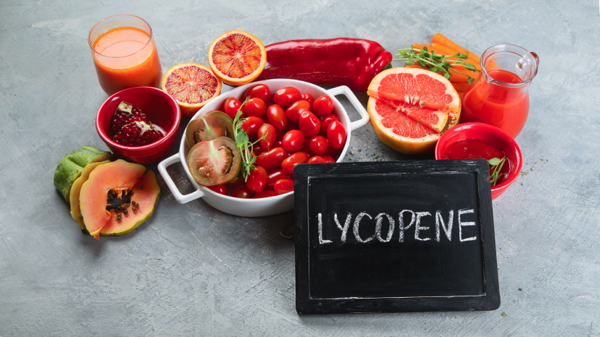
Each participant consumed either the tomato-soy juice, which provided 54 milligrams of lycopene and 189.9 milligrams of soy isoflavones per day, or a low-carotenoid control juice made from yellow-flesh tomatoes for four weeks, the study stated. After a washout period, participants switched to the other juice. The control juice contained no soy isoflavones and minimal lycopene, allowing researchers to compare the effects of the active ingredients.
Eligibility requirements included being a non-smoker, not taking anti-inflammatory drugs on a daily basis, no antibiotic use within the previous three months, and no use of supplements affecting carotenoids or metabolism within the previous month, according to the trial protocol. Participants with autoimmune disorders, metabolic diseases, gastrointestinal conditions, or known allergies to tomato or soy were excluded.
Blood and urine samples were taken before and after each intervention period. The study was originally designed to enroll 30 participants, but enrollment was disrupted by the Wuhan coronavirus (COVID-19) pandemic, limiting the sample size to 12, the authors noted.
Inflammatory Marker Reductions and Statistical Nuances
After four weeks on the tomato-soy juice, plasma levels of IL-12p70, IL-5, and GM-CSF were significantly lower compared to baseline, the investigators reported. TNF-alpha decreased nearly to the threshold of statistical significance, with a p-value of 0.052. These reductions were not observed during the control juice period. Plasma lycopene increased 2.48-fold to an average of 1,298.4 nmol/L, and beta-carotene concentrations doubled.
The researchers cautioned that the cytokine reductions were found in within-group comparisons but not when directly comparing the tomato-soy and control groups at the end of each intervention period. They attributed this discrepancy to the small sample size, noting that the pattern of results still suggests an anti-inflammatory effect.
Previous research has indicated that dietary flavonoids and other plant compounds can influence inflammatory signaling pathways [2]. Both lycopene and soy isoflavones have been investigated for their potential to modulate the NF-?B pathway, a key regulator of inflammation [3].
Role of Non-Lycopene Compounds
Urine metabolomics revealed that both the tomato-soy juice and the control juice increased urinary levels of naringenin glucuronides and phenolic acid breakdown products, according to the study. This finding indicates that these compounds originate from tomato phytochemicals other than lycopene, since the control juice also contained them. Naringenin, a flavonoid found in tomatoes, has been shown in animal and cell studies to reduce inflammatory markers such as TNF-alpha.
The researchers also observed a roughly 50% reduction in medium-chain acylcarnitines, metabolites that are elevated in chronic inflammatory states such as obesity, after both tomato interventions. This suggests that flavonoids and phenolic acids in tomatoes contribute to anti-inflammatory effects independent of lycopene, the authors stated.
Such findings align with the broader understanding that whole foods exert benefits through complex mixtures of compounds [4]. The gastrointestinal tract may be a primary target for the action of these polyphenols [5].
Gut Microbiome and Soy Metabolites
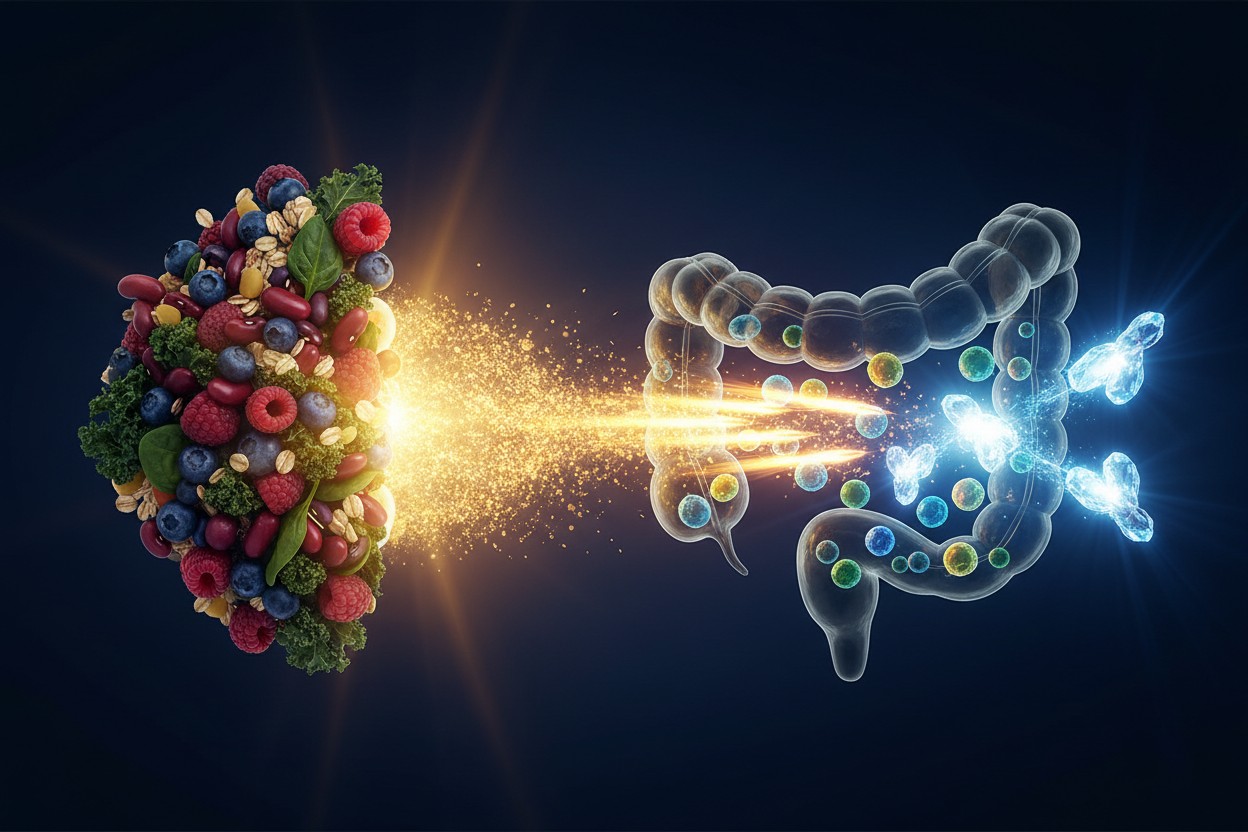
Urine analysis after the tomato-soy juice period showed large increases in ethylphenol sulfate isomers, produced by gut bacteria from the soy isoflavone genistein, with increases ranging from 96- to 173-fold compared to baseline, the researchers reported. O-DMA glucuronides, derived from daidzein through gut microbial metabolism, were also significantly elevated. About 17% of the participants were identified as equol producers, consistent with prior estimates that roughly a quarter of Western adults carry the bacteria capable of converting daidzein to equol.
The study underscores that individual gut microbiome composition influences how the body responds to soy isoflavones, and that microbial transformation may be key to biological activity. Other research has highlighted the role of the gut microbiota in mediating the effects of dietary phytoestrogens on metabolic health [6]. Supporting a diverse microbiome through diet may help individuals derive greater benefit from soy foods [7].
Implications and Conclusion
The researchers noted that the reductions in pro-inflammatory cytokines are associated with the NF-?B signaling pathway, a molecular switch implicated in chronic inflammation, though they cautioned that inflammatory mechanisms are interconnected and require further study. Practical implications include the observation that processed tomato products may enhance lycopene bioavailability, that pairing tomatoes with soy may offer complementary benefits and that fostering a diverse gut microbiome may improve the body’s response to soy foods.
The authors called for larger clinical and mechanistic studies to confirm the findings. The tomato-soy juice was originally developed for prostate cancer research, according to the report, and now shows promise for broader inflammation-related conditions including obesity. Diet remains a foundational tool for addressing inflammation, as numerous studies have demonstrated that what people eat can either fuel or fight chronic pain and disease [1].
References
- NaturalNews.com. “Managing inflammation with diet: What you eat can fuel or fight arthritis pain.” March 10, 2026.
- Ronald Ross Watson, Victor Preedy, and Sherma Zibadi. “Polyphenols Prevention and Treatment of Human Disease.”
- Klaudia Jomova. “Advances in metal-induced oxidative stress and human disease.” Toxicology.
- NaturalNews.com. “5 Common kitchen foods to reduce inflammation naturally.” August 27, 2024.
- Dr Michael T Murray. “Textbook of Natural Medicine Fifth Edition.”
- Alina Kuryowicz, Marta Cakaa-Jakimowicz. “Targeting Abdominal Obesity and Its Complications with Dietary Phytoestrogens.”
- NaturalNews.com. “Your grocery list vs. chronic inflammation: What to add, what to ditch.” February 9, 2026.
Explainer Infographic
Submit a correction >>
Tagged Under:
anti-inflammatory, Censored Science, Clinical trials, cytokines, fight obesity, food science, gut health, gut microbiome, inflammation, lycopene, metabolic health, metabolism, nutrition, obesity, phytochemicals, phytonutrients, research, slender, soy isoflavones, tomato soy juice, weight loss, weight management
This article may contain statements that reflect the opinion of the author
RECENT NEWS & ARTICLES