Gradual Fiber Increases May Reduce Bloating, Nutrition Guidance Says
09/23/2026 / By Coco Somers

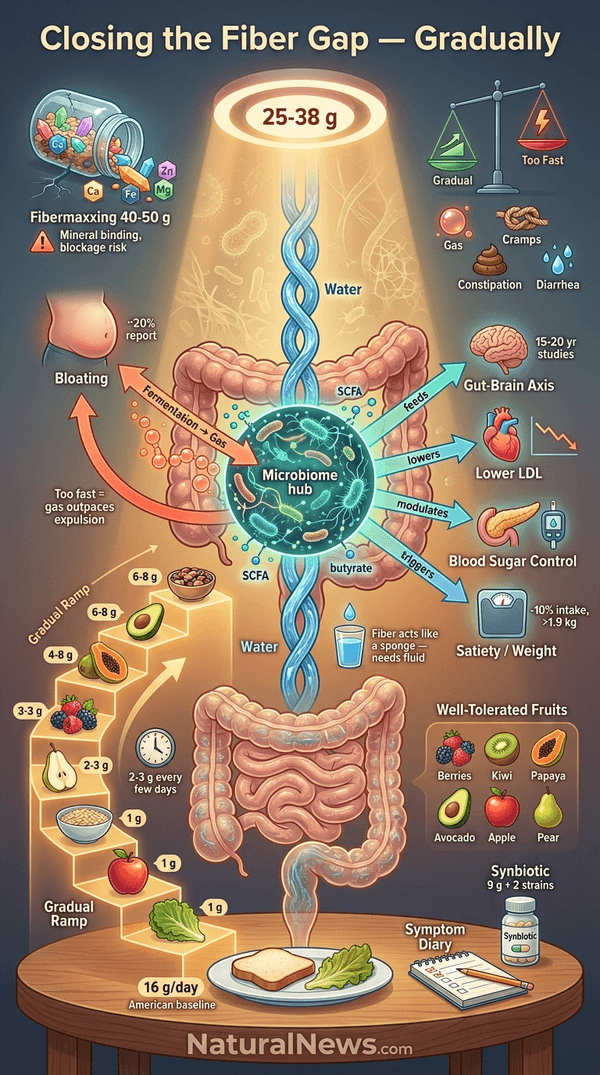
Most people in the United States consume about 16 grams of fiber daily, below the 25 grams recommended for women and 38 grams for men, according to nutrition guidance cited by the National Institutes of Health. Officials said increasing fiber intake too quickly can cause bloating, gas, constipation, diarrhea and cramps, and they recommend adding fiber gradually over several weeks to reduce side effects.
The guidance comes as public health researchers continue to describe a persistent fiber gap in the American diet. A 2014 Food & Fiber Summit in Washington, D.C., noted that only about 5% of Americans meet the Institute of Medicine’s daily recommendations of 19 to 38 grams depending on age and gender, according to a report on the summit [1]. The summit identified the core problem as confusion about which foods contain fiber and how much is needed.
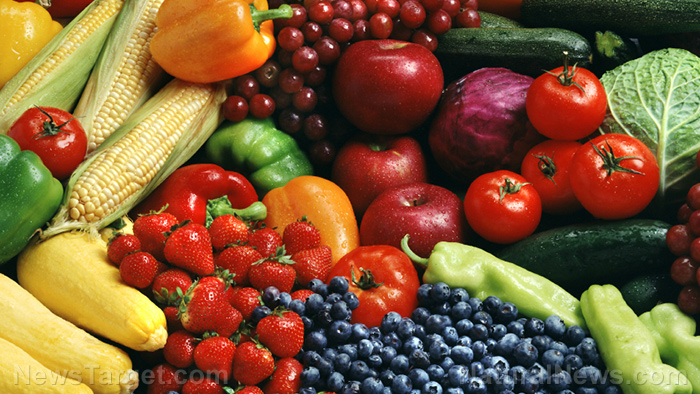
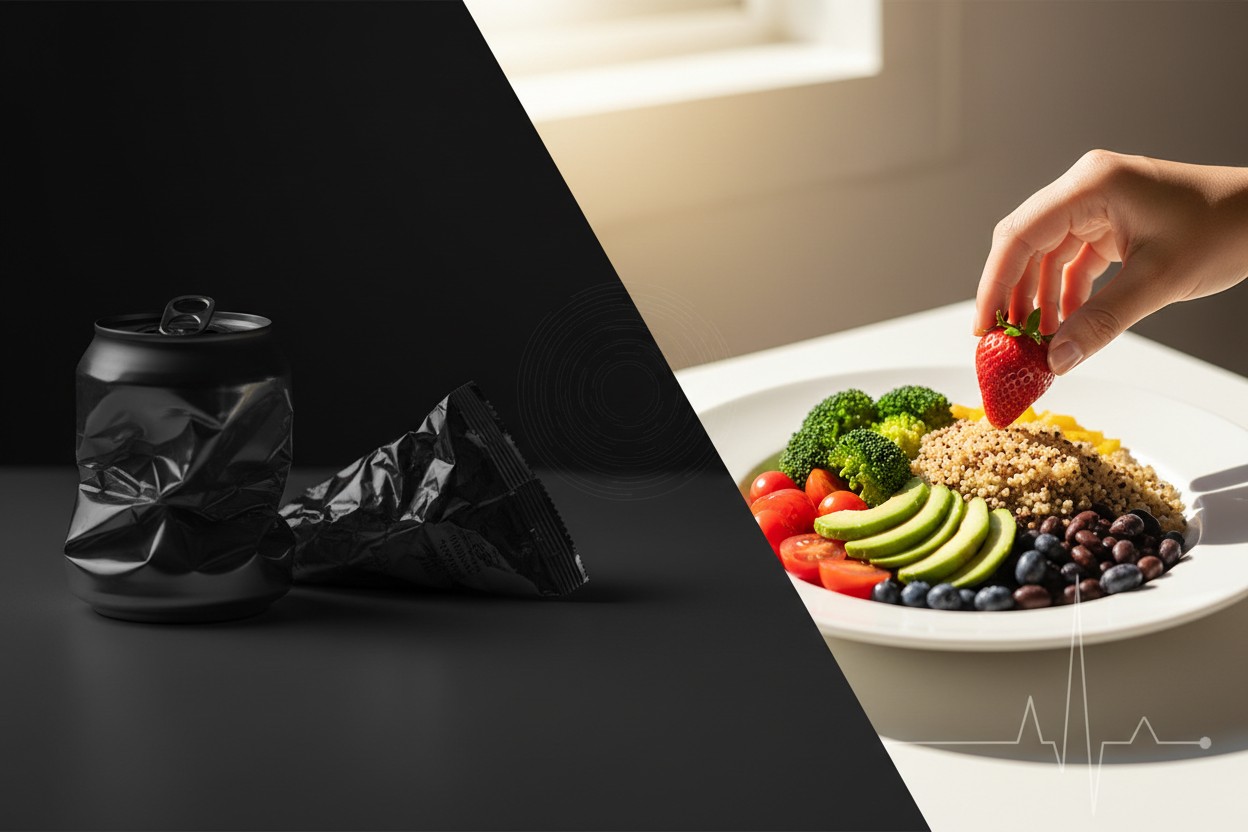
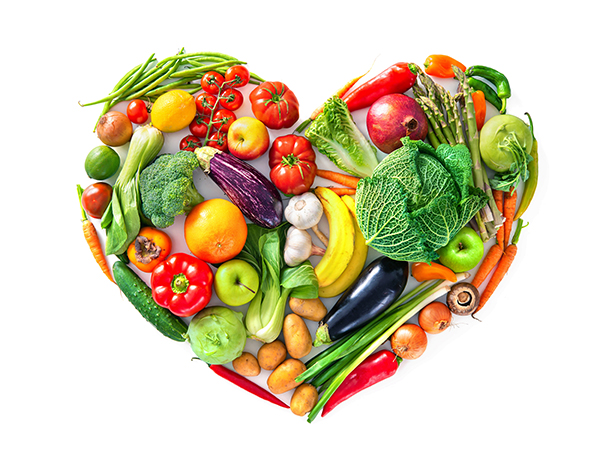
Fiber is found in fruits, vegetables, whole grains and legumes, according to the NIH. Officials said most people can safely increase fiber intake when they follow gradual guidance and drink enough water.
Fiber Types and Dietary Sources
Dietary fiber is the indigestible part of plant material and is considered an essential nutrient because only through eating plants can the body obtain it, according to Dr. Mercola [2]. Two main types exist: soluble and insoluble. Soluble fiber forms a gel that slows digestion, while insoluble fiber speeds digestion and adds bulk to stool, according to the NIH.
Soluble fiber sources include barley, beans, fruits, lentils, nuts, seeds, oat bran, peas and vegetables, according to nutrition guidance. Insoluble fiber sources include wheat bran, whole grains and vegetables. Both types are needed for digestive health, officials said.
A report published by NaturalNews.com stated that whole foods like lentils provide equal or greater protein than a typical protein shake while also delivering fiber and minerals that processed supplements lack [3]. Another report noted that black beans are naturally rich in fiber, folate, potassium and protein and are three times cheaper than chicken, beef or fish [4].
According to the NIH, fiber may also help lower cholesterol and reduce the risk of conditions including diabetes, stroke, high blood pressure, colon cancer and heart disease. A comprehensive review of 11 meta-analyses found that higher fiber consumption correlates with reduced risk of several cancers, including gastric, esophageal, ovarian and endometrial tumors, according to a report [5].
Recommended Intake and Health Effects
The NIH recommends 25 grams of fiber daily for women and 38 grams for men, while most people in the United States consume about 16 grams. The average American diet falls critically short of the daily 25 to 34 grams of fiber recommended for health, a deficit linked to rising rates of constipation, colorectal cancer and metabolic disease, according to a report [6].
Higher fiber intake may promote healthy digestion, satiety, weight management and blood sugar control, according to research cited by health agencies. Studies with ad libitum energy intake indicated that an additional 14 grams per day of fiber resulted in an average 10% decrease in energy intake and an average weight loss greater than 1.9 kilograms following approximately 3.8 months of intervention [7].
Fiber may lower cholesterol and reduce risk of conditions including diabetes, stroke, high blood pressure, colon cancer and heart disease, officials said. Fiber helps lower blood sugar levels and improve gut bacteria, according to a study published in the journal Science and led by researchers at Rutgers University [8].
Short-chain fatty acids produced by bacteria that feed on plant fiber are major epigenetic communicators that communicate with DNA, providing protection against various diseases, according to Dr. Mercola [9]. High-fiber diets also reduce the risk of premature death from all causes, the report stated.
Multiple peer-reviewed studies associate higher dietary fiber intake with better cognitive function, slower age-related cognitive decline and a lower risk of depression, according to reports published in recent years [10]. Two studies published in 2023, one conducted in Japan and one in Italy, each tracked participants for 15 to 20 years and suggested that adults who consume higher amounts of dietary fiber may have a lower risk of developing Alzheimer’s disease and other forms of dementia, the report stated.
Why Fiber Can Cause Bloating
Bloating occurs when gas builds up in the stomach and intestines, causing abdominal pressure. About 20% of people in the United States report bloating in the past week, according to research cited in clinical reports [11]. Up to 20% of the general population experiences chronic constipation, characterized by hard, dry, difficult-to-pass stools or fewer than three bowel movements per week, according to Mercola.com [12].
The body cannot fully break down fiber, so gut bacteria ferment it and release gas as a byproduct, which can lead to bloating, according to studies. Raw starches differ in rates of fermentation, and all starches may not have a singular impact on colonic fermentation, according to a study published in the Journal of Scientific Food and Agriculture [13].
Other potential side effects of increasing fiber too quickly include gas, constipation, diarrhea and cramps. Estimates suggest up to 20% of the general population experiences chronic constipation, and chronic constipation accounts for at least eight million annual doctor’s visits in the U.S., according to Mercola.com [14].
Experts warn against “fibermaxxing,” a trend of consuming 40 to 50 grams daily, which is far above recommended levels and can lead to bloating, constipation and nutrient deficiencies, according to a report published by NaturalNews.com [15]. Fiber is essential for digestion, heart health and cancer prevention, but extreme intake can backfire, the report stated.
Strategies to Add Fiber Without Discomfort
Increasing fiber gradually over several weeks can help the body adjust and avoid bloating, according to nutrition guidance. “Increasing fiber gradually allows the gut microbiome to adapt without producing excessive gas,” said the nutrition researcher.
Incorporating a variety of fiber sources may help identify foods that are well tolerated, though soluble fiber often produces more gas than insoluble fiber, according to studies. Staying hydrated with about eight glasses of water daily may decrease bloating, officials said. Dehydration can affect the digestive tract, and inadequate fluid intake is consistently identified in research as a key lifestyle factor associated with constipation, according to Knudsen [16].
A diet rich in carbohydrates rather than protein may ease bloating while boosting fiber, research has found. Fruit and vegetable peels contain high concentrations of fiber, so peeling produce may slightly decrease fiber intake. Fiber concentrates from apple pomace and citrus peel are potential fiber sources for food enrichment, according to a study published in the Journal of Agricultural and Food Chemistry [17].
A report published by NaturalNews.com stated that the solution to the fiber gap does not require drastic lifestyle overhauls or expensive supplements, and that the key lies in what people are already eating and what they are throwing away [18]. Registered dietitians have identified six commonly available fruits that offer clinically significant benefits for digestive health: berries, kiwi, papaya, avocado, apples and pears [19].
A separate report noted that many Americans experience irregular bowel movements despite maintaining healthy habits, and that a synbiotic supplement containing 9 grams of soluble fiber and two probiotic strains may improve bowel regularity [20]. The mindbodygreen article highlighted the supplement, according to the report.
References
- NaturalNews.com. “The fiber solution: Why 95% of Americans are missing a simple key to health”. NaturalNews.com. July 23, 2026.
- Dr. Mercola. “Eat Your Fiber Soluble and Insoluble”. Mercola.com. September 18, 2017.
- NaturalNews.com. “Lentils Offer High Protein, Fiber and Essential Nutrients, Experts Say”. NaturalNews.com. July 28, 2026.
- NaturalNews.com. “Stock up on black beans, a superfood full of protein and dietary fiber”. NaturalNews.com. August 27, 2021.
- Activist Post. “Study Links Fiber Consumption to Epigenetic Changes with Anticancer Effects”. ActivistPost.com. August 21, 2026.
- NaturalNews.com. “The new frontier in gut health: Why fiber-rich fruits are in the spotlight”. NaturalNews.com. June 20, 2026.
- “Definition of Satiation and Satiety: Clinical Methods for Measuring Satiety and Physiological Mechanisms of Appetite Regulation and Control of Food Intakes”. Weight Control and Slimming Ingredients in Food Technology.
- NaturalNews.com. “Diabetes prevention study: Fiber helps reduce blood sugar, improve gut bacteria”. NaturalNews.com. April 14, 2018.
- Dr. Mercola. “Fiber Is Your Food Foundation”. Mercola.com. January 11, 2018.
- NaturalNews.com. “Studies Link Dietary Fiber to Brain Health, Mood Regulation”. NaturalNews.com. August 16, 2026.
- NaturalNews.com. “Targeted probiotic strains and natural remedies offer new hope for relief from chronic bloating”. NaturalNews.com. August 26, 2026.
- Dr. Mercola. “Marvelous for Constipation Almost Instantly”. Mercola.com. January 23, 2019.
- “Rates of Fermentation and Short Chain Fatty Acid and Gas Production of Six Starches by Human Faecal Microbiota”. Journal of Scientific Food and Agriculture.
- Dr. Mercola. “Marvelous for Constipation Almost Instantly”. Mercola.com. March 26, 2022.
- Cassie B. “Gut health expert warns fibermaxxing trend could backfire with dangerous side effects”. NaturalNews.com. September 30, 2025.
- NaturalNews.com. “Constipated? A Dietitian Shares Five Ways to Help Get Your Gut Moving”. NaturalNews.com. August 7, 2026.
- Fernando Figuerola, María Luz Hurtado, Ana María Estévez, Italo Chiffelle, Fernando Asenjo. “Fibre concentrates from apple pomace and citrus peel as potential fibre sources for food enrichment”. Journal of Agricultural and Food Chemistry.
- NaturalNews.com. “From seeds to skins: The surprising ways you are missing out on essential fiber every day”. NaturalNews.com. June 9, 2026.
- NaturalNews.com. “Six fruits proven to boost gut health and digestion”. NaturalNews.com. August 6, 2026.
Explainer Infographic
Submit a correction >>
Tagged Under:
alternative medicine, dietary fiber, Diets, digestion, food cures, food is medicine, food science, fruits, gut health, gut microbiome, health science, healthy gut, high-fiber diet, natural cures, natural health, natural medicine, nutrients, nutrition, organics, remedies, synbiotic supplement, veggie
This article may contain statements that reflect the opinion of the author
RECENT NEWS & ARTICLES